Sri Aurobindo College of Commerce and Management, steadfast in its commitment to nurturing the intellectual, emotional, and spiritual dimensions of its faculty and students, once again exemplified its ethos of going beyond conventional academic pursuits by organizing a transformative two-day workshop at the Sri Aurobindo Ashram, New Delhi, for its selected members of the faculty. Deeply inspired by the timeless philosophy of Sri Aurobindo, SACCM continues to champion the cause of holistic development, believing that true education transcends the boundaries of classrooms and textbooks and blossoms through self-realization, introspection, and conscious living.
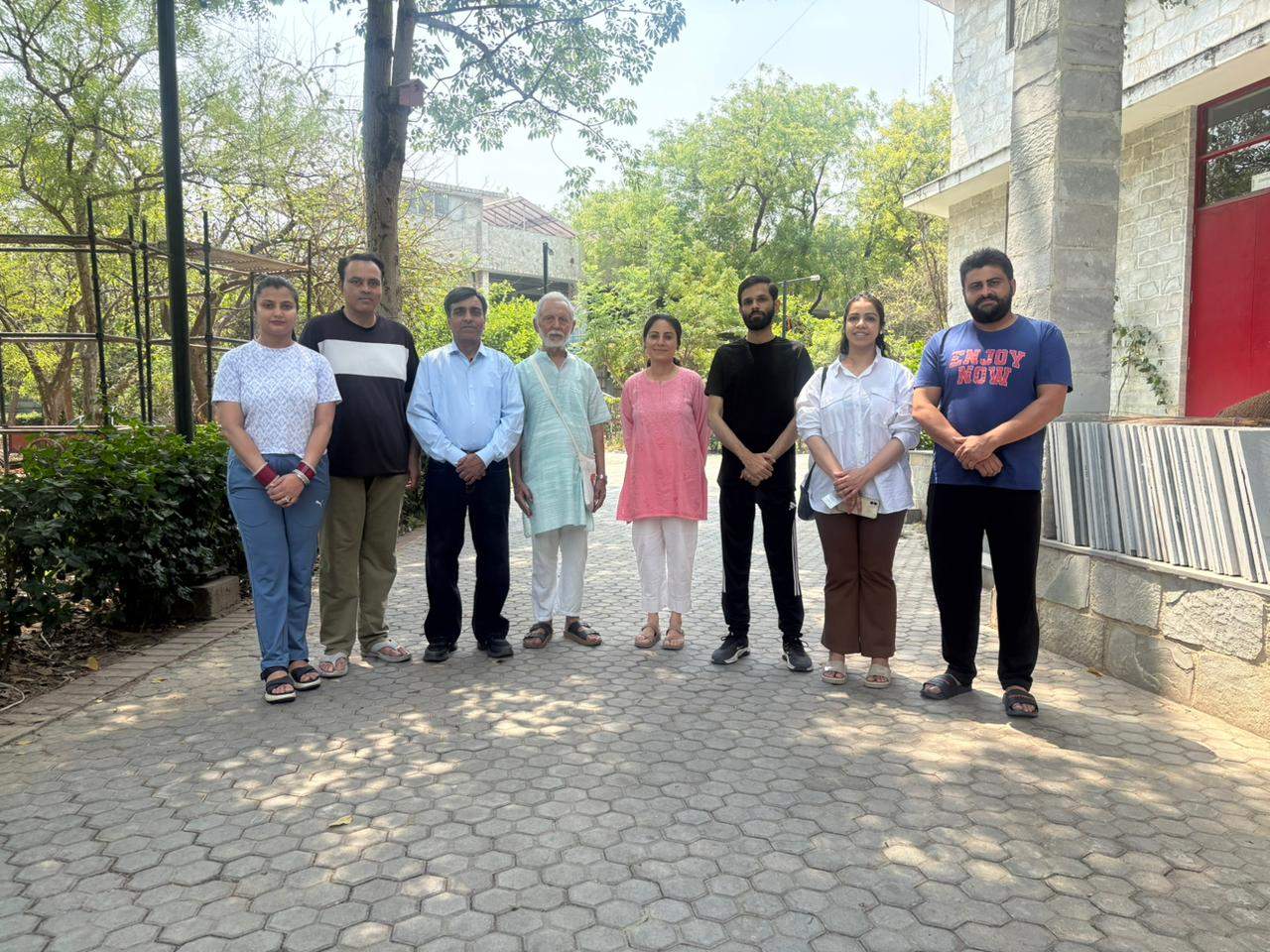
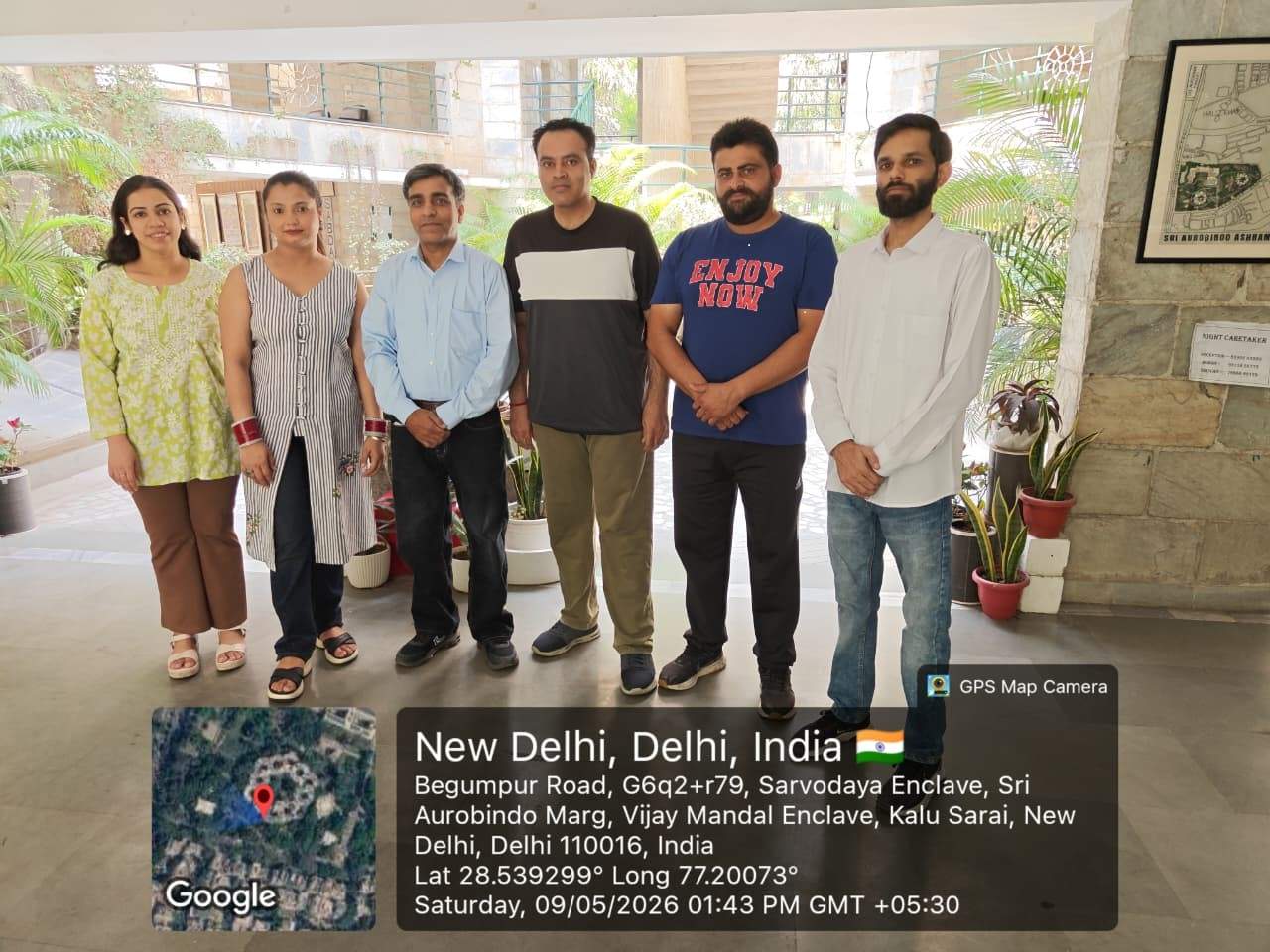
The workshop was attended by six faculty members — Mr. Sahil Ghai, Mr. Vijay Chhabra, Ms. Amarjit Kaur, Ms. Mehak Arora, Mr. Rishab Batra, and Mr. Inderpreet Saini, each of whom embarked upon this inward journey with curiosity and contemplative zeal. Nestled amidst the tranquil and meditative ambience of the Ashram, the participants found themselves gently detached from the cacophony of mundane life and gradually attuned to a deeper rhythm of thought and existence.
Over the span of two soul enriching days, the workshop unfolded as an immersive confluence of philosophy, spirituality, and experiential learning. The sessions were meticulously designed to awaken higher consciousness and inspire reflective living. Thought provoking lectures on the higher purpose of human life urged the participants to question the mechanistic routines of modern existence and contemplate the profound interconnectedness between the self, society, and the universe. The discourse on stress management transcended conventional techniques and emphasized cultivating inner equanimity, emotional resilience, and mental stillness in an increasingly turbulent world.
Particularly captivating were the sessions on Ayurveda and Mental Yoga, where the faculty members were introduced to the ancient Indian wisdom that views the mind, body, and soul as inseparable entities harmoniously coexisting within the human experience. The speakers eloquently expounded upon the significance of disciplined living, balanced nutrition, conscious breathing, and the purification of thought as pathways toward attaining holistic well-being. The concept of Mental Yoga inspired the participants to understand the immense power of silence, concentration, and self-awareness in refining one’s inner faculties and fostering clarity amidst chaos.
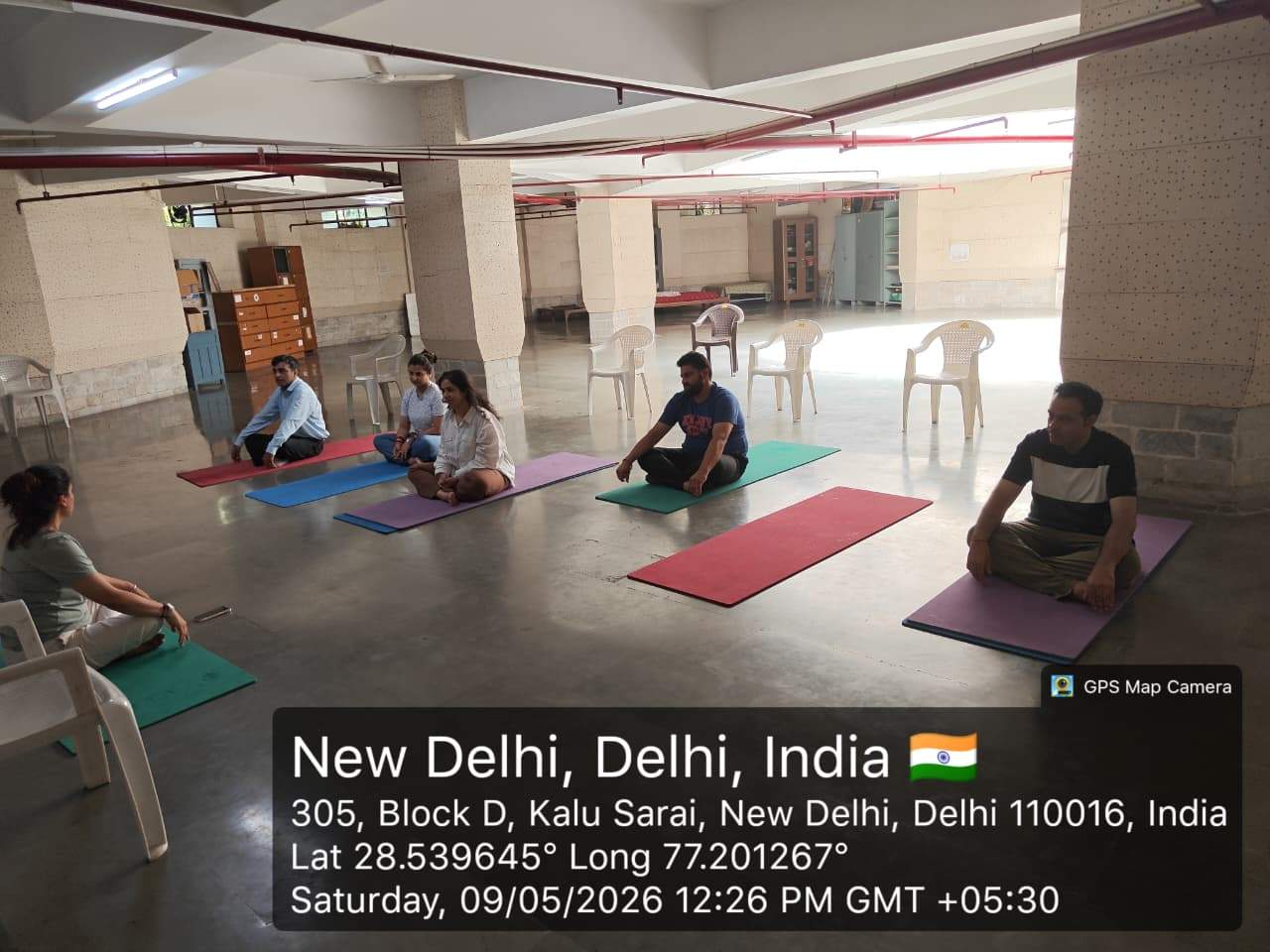
The workshop also included a series of experiential sessions that transcended mere theoretical understanding. Early morning yoga practices amidst the serene environs of the Ashram invigorated both body and spirit, allowing the participants to experience the subtle synchronization of breath, movement, and consciousness. Guided meditation sessions led the faculty members into profound moments of introspection, enabling them to encounter a rare stillness often lost in the relentless pace of professional life. Sessions dedicated to understanding the human body illuminated the intricate relationship between physical health, emotional balance, and spiritual vitality, encouraging the participants to cultivate a more compassionate and mindful relationship with themselves.
What rendered the experience truly extraordinary was the ineffable serenity that permeated every corner of the Ashram. The silence there was not empty but eloquent; it whispered lessons of patience, humility, and self-discovery. Surrounded by an atmosphere imbued with calmness and contemplative energy, the faculty members experienced a deep sense of rejuvenation and inner awakening. The workshop became not merely an academic engagement but a philosophical pilgrimage — one that encouraged the educators to rediscover their own purpose as mentors, learners, and conscious human beings.
The participating faculty members returned enriched not only with knowledge but with a renewed vision toward life and education. The workshop inspired them to embrace mindfulness, emotional balance, and spiritual awareness in both their personal and professional spheres. It reinforced the belief that education, in its truest sense, is not the mere dissemination of information, but the awakening of consciousness and the cultivation of enlightened minds capable of fostering compassion, wisdom, and harmony in society.